[Ad] Play therapy is a type of therapy that allows children or adults to practice the art of play while working through a therapeutic conversation or learning new skills. Discover a variety of play therapy activities to support your child through their anxiety and help them to develop effective coping mechanisms.
This post is developed in partnership with BetterHelp.
What Can Play Therapy Be Used For?
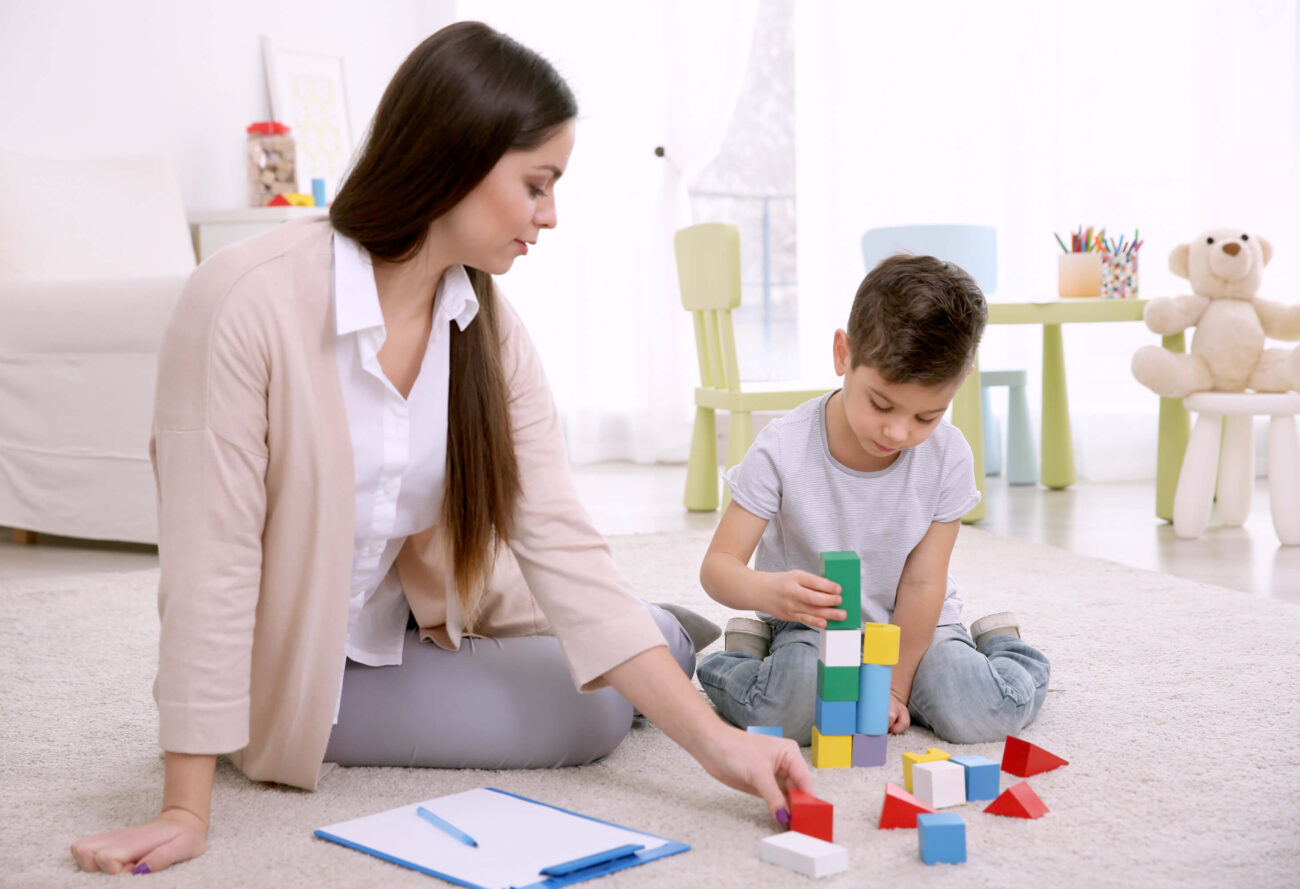
Play therapy can be used for everything from autism to anxiety. In this case, we’ll talk about several play therapy activities you can try at home or with a therapist to help relieve anxiety.
Even if you’re an adult, this therapy can help you connect with your inner child, which can help with trauma, anxiety, and more.
Colouring
One way to play as an adult and reduce anxiety is through colouring. Did you know that there are tons of adult colouring books out there? Adult colouring books are a little more complex than the ones for children, and they allow you to colour in intricate designs and pictures to calm yourself.
Colouring is actually a form of mindfulness and meditation, as it can put you into a trance-like state, which is great for healing anxiety and distracting yourself. Research even shows that colouring mandalas or other types of colouring pages can relieve anxiety1.
Creating Anti-Stress Toys
If you’re someone who likes DIY, you can try this exercise. There are so many different types of DIY stress toys that you can create. You can even do it alongside a therapist. Here are some awesome anti-stress toy craft ideas:
- Stress ball with flour or rice inside
- Sensory jars
- Sensory rooms
- A sensory/anti-anxiety backpack (full of anti-stress items)
- Gel stress toys
- Zipper bracelet
- Fidget ring
- Fidget cubes
There are so many types of toys that you can create. If you want help from a therapist, consider seeing an art therapist who knows about play therapy. They may have some materials in their office to help you create art.
If you want to learn more about play therapy and how it relates to art therapy, you can also check out BetterHelp’s advice column here: https://www.betterhelp.com/advice/anxiety/.

Sand Play
Sand play involves playing around in a sand pit. Some therapists include these in their offices, and adults can play with them too. In the sand play, you can create scenes in the sand.
Many therapists include figurines, plastic trees, and water for you to add to the sand as well. While playing with the sand, you can talk through what you’re going through.
Sand therapy has been shown to be a great technique for children and adults going through grief and complex trauma.
Roleplaying Exercises
Some play therapists will help patients work through a situation by roleplaying. You can roleplay various situations, such as asking for a promotion, bringing up a difficult subject with a partner, or even child regression.
Child regression is a form of therapy where an adult will ‘regress’ back to a childlike mindset to try to heal childhood trauma and anxiety. It can feel free for an adult to be able to play, laugh, and ignore adult responsibilities while in the safe area of the therapist’s office.
Playing With Toys
Although some adults may feel embarrassed to play with toys in front of a therapist, it can actually be very healing for anxiety. It’s also a great form of play therapy for a child who may have trouble expressing what is going on in their life.
If you don’t feel safe playing with toys in front of a therapist, you can even do this on your own at home.
Art Therapy
As mentioned before, art therapy is a form of play therapy. In art therapy, you can create any type of art, whether it’s a painting, sculpture, or abstract piece.
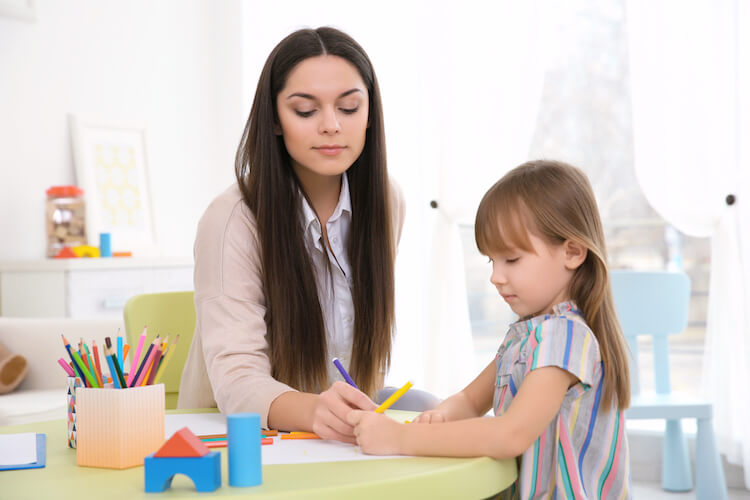
Art therapy allows you to focus your attention on a project instead of on the therapist. If you have social anxiety or find it difficult to speak during therapy, art therapy may help you express yourself. Plus, it’s great for your mental health2!
Puzzles
Puzzles are a great way to stimulate your mind, distract yourself, and play at the same time. Many therapists will have puzzles or puzzle toys available for you to fidget with while you speak to them. If they don’t, you can request if you can bring your own preferred puzzle to the next session.
Puzzles are great toys for adults because they’re fun, challenging, and can relieve anxiety. Some common types of puzzles include:
- Jigsaw puzzles
- Crossword puzzles
- Colour by numbers
- Puzzle fidgets (where you have to complete a puzzle or goal)
- Tiny maze toys
- Word searches
- Connect the dots
- Difficult mazes
Sensory Toys
Sensory toys are great for anxiety because they allow you to activate your senses. These could include squishy stress balls, aromatherapy, songs to dance to, and more. What makes a toy or practice ‘sensory’ is that it targets one of your five senses. Here are some ideas for each sense:
- Touch – Squishy stress balls, textured materials, soft rugs, pillows, stuffed animals
- Vision – Colouring pages, art, videos
- Sound – Music, guided meditations, mantras
- Taste – Delicious foods, coffee or tea, sugar
- Smell – Aromatherapy, scratch-n-sniff stickers, lotions
You can combine some or all of these senses to relieve anxiety through a practice called ‘self-soothing’.
Destroying Things
Although it doesn’t sound very ‘playful’, there are actually rooms and therapy centres dedicated to destroying things in a cathartic way. For example, they may have a punching bag room or an area where you can smash things without causing damage.
If you’re someone who has a lot of anger mixed in with your anxiety, this type of play therapy might help you more than any other. Not everyone likes to be calm and quiet when they work through emotions. So see if you can find a therapeutic centre that has a ‘destroying room’.
Conclusion
As you can see above, there are so many different types of play therapy to try. Even as an adult, playing and connecting with your inner child is possible. If you’re looking to work on your anxiety, consider play therapy as one of your options, and choose the type of therapy that feels most comfortable to you.
Sources
- Sau-Lai Lee (2018) Why Color Mandalas? A Study of Anxiety-Reducing Mechanisms, Art Therapy, 35:1, 35-41, DOI: 10.1080/07421656.2018.1459105.
- Bone, T.A. Art and Mental Health Recovery: Evaluating the Impact of a Community-Based Participatory Arts Program Through Artist Voices. Community Ment Health J 54, 1180–1188 (2018). DOI: 10.1007/s10597-018-0332-y.